
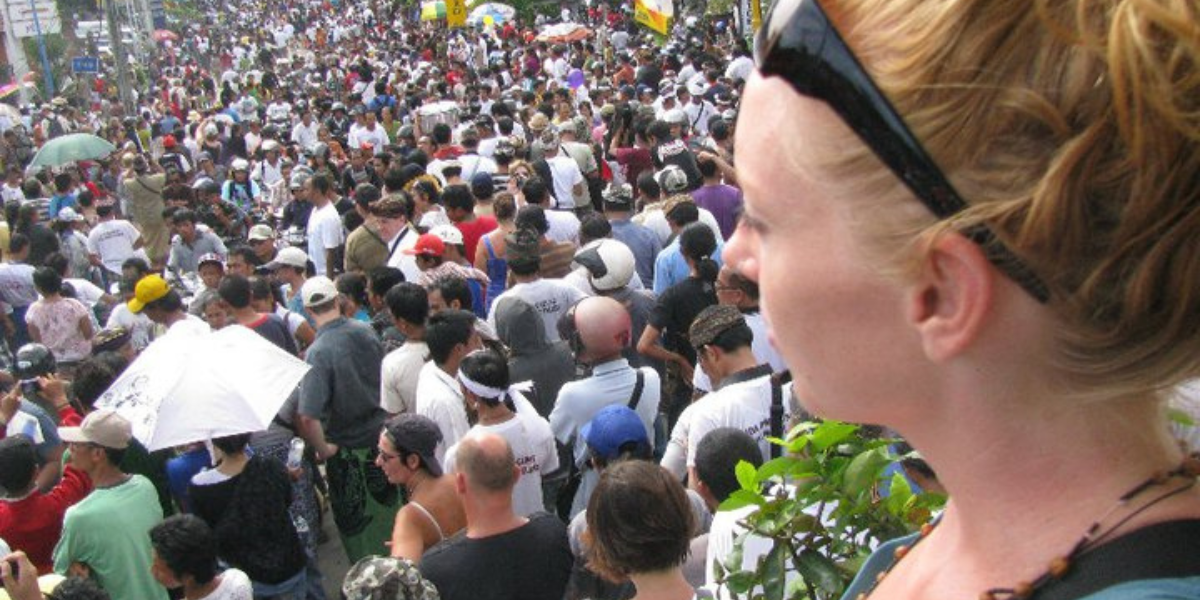
I was sitting at the counter of an open-air kitchen in Bali when he said it. He was a Tahitian gentleman, a friend of a friend, someone I barely knew, someone who grew up a world away from me. Though we had just met, somehow we put it together that we had both lost our mothers at age 14. I was 32 at the time and had already met many people who had lost their mothers. But it was unusual to meet someone who had experienced that loss at the exact same developmental age I had. After we made that connection, he looked at me and said, “Yeah, it is hard to know who you can count on.”
What happened next is forever burned into my memory. It felt like the birds stopped chirping. The air became still. My breath caught in my lungs. The spinning world halted for a few seconds. Out of nowhere, I had been seen. Here was someone naming an experience I had been having my entire life without fully realizing it. That was the hidden question beneath so many of my relationships. The measure by which I evaluated friendships, colleagues, and collaborators. I knew something important had happened in that moment, but only recently have I understood why it mattered so much.
As I traveled out into the world, I began hearing other people ask the same question in different ways. Can I trust my boss? Who will follow through? Am I being heard? When I witnessed those questions, I felt them in my body as pain. The pain of uncertainty. The pain of not knowing whether you are safe with someone, whether they will show up for you, whether you matter to them. Others may not experience this as intensely as I do, but I have always felt it deeply.
And over time, I became obsessed with understanding what reduces that pain.
I can finally see how much of my life has been shaped by that single question: Who can I count on?
I learned that when people feel they can truly count on one another, something shifts. People exhale. They become more honest, more generous, more willing to take risks and share ideas. Connection strengthens well-being. A sense of security creates the conditions for creativity and innovation. Problems that once felt immovable become more solvable through collective intelligence. Over and over again, I witnessed how trust changes what is possible between people.
Now, sitting in my home in Boulder, Colorado, 26 years into an enduring passion for intercultural communication, collaboration, and leadership, I can finally see how much of my life has been shaped by that single question: Who can I count on?
Over time, the question evolved. Who can we count on? How do we know when we can trust someone? How do we let others know they can count on us?
Those questions followed me into every cross-cultural environment I entered. When I landed in Kiribati and was afforded unearned authority solely because I was a white American, how could I move through those power differences in a way that created meaningful connection? When I worked in rough areas of Colombia with people living in precarious conditions, how could I communicate that I was not there to take advantage of them? When I was in my early 30s working with firefighters much older than me, how could I earn their confidence that I had knowledge that could help them be more effective? When I invited BIPOC guests onto a podcast for intimate conversations about race, how could I remain aware of the harm I was still capable of causing as a white woman?
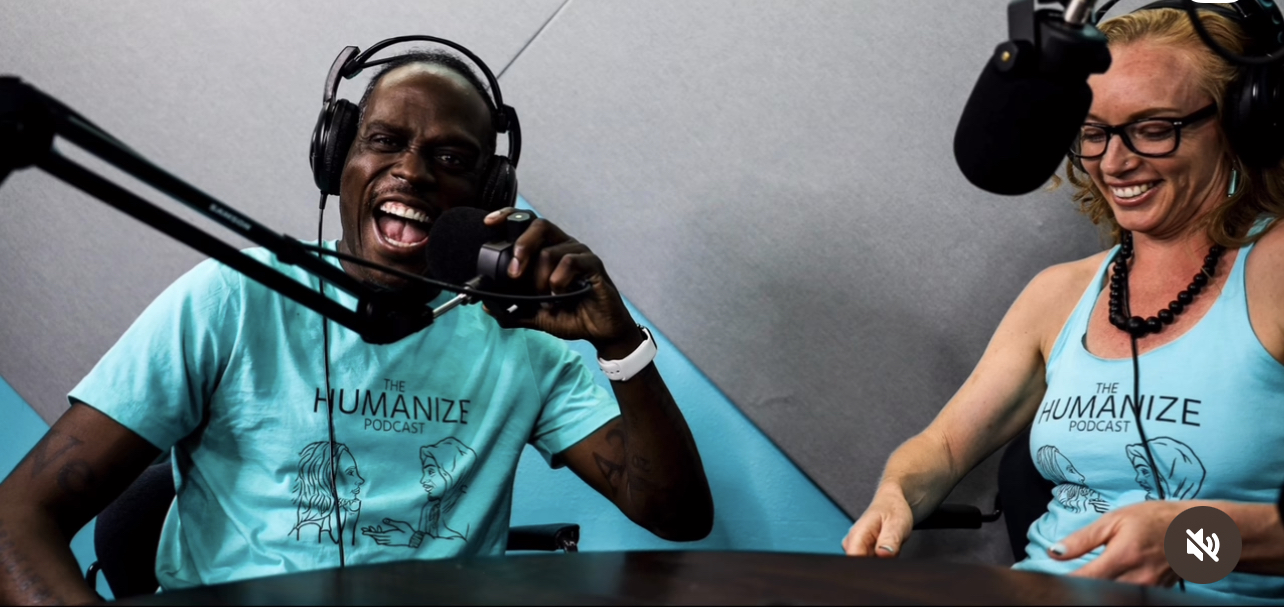
I got graduate degrees. I observed. I took workshops. I tried, failed, adjusted, and tried again. I taught in universities and corporations. And beneath all of it, the same questions continued to churn. How do we know who we can count on? How do we become people others can consistently count on?
The Leadership Dials © framework emerged from that lifelong pursuit of trust. From years spent trying to understand what helps people feel safe enough to connect honestly, collaborate effectively, and grow together.
I hope that understanding why this work matters so deeply to me gives my clients, colleagues, and friends greater clarity about the care and intention behind these programs, whether that is the Leadership Dials © in Action 90-minute workshop, the Leadership Dials © 2-Day Immersion, or the Leadership Dials © in Practice 9-week program. At its core, this work is about learning how to show up as the leader you want to be while strengthening the relationships that make meaningful work possible.
I am forever grateful for that casual conversation in a kitchen in Bali that reached into my subconscious and unearthed this lifelong question. Now I can hold it in my palm and examine it with greater clarity. And I can allow it to fuel deeper connections through the work I do in service of creating a more just, sane and sustainable world.
